Water and Environment
Environmental Approvals Explained
How the EPBC Act and state pathways assess major projects: referrals, impact statements, conditions and the timelines to expect.
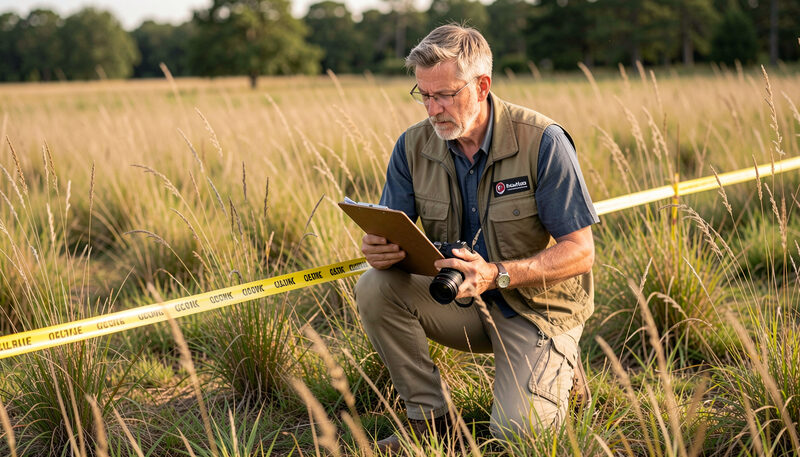
No major project in Australia proceeds on a single approval. A highway, mine, port or desalination plant typically needs clearance under federal environmental law, one or more state planning pathways, and a set of specialist approvals for heritage, water and vegetation. The system is layered by design, and the layers run on separate clocks, which is why approvals strategy is a discipline in itself.
The federal gate: the EPBC referral
The Environment Protection and Biodiversity Conservation Act 1999 controls actions likely to have a significant impact on matters of national environmental significance: listed threatened species and communities, world and national heritage, Ramsar wetlands, migratory species and the water resources affected by large coal and gas projects. The list is specific, not general, which is why the first legal question on any project is whether it triggers the Act at all.
The trigger test is a referral. The proponent describes the action, the likely impacts and the mitigation proposed, and the federal environment minister decides whether the project is a controlled action requiring full assessment. Referrals are published on the department's public register, which makes the early stage of any major project traceable by anyone who knows where to look.
What assessment actually means
A controlled action is assessed by one of several methods. The lightest is assessment on referral information alone. The most demanding is an environmental impact statement or public environment report: a document, usually thousands of pages, that describes existing conditions, models the impacts and commits to mitigation measures. Public exhibition is part of the process, and submissions are published and answered.
The assessment concludes with an approval decision and, if approved, a set of conditions. Conditions are the operative part: they specify offsets for cleared habitat, monitoring obligations, performance thresholds and reporting. An approval is not a permission slip but a contract of conditions, and breach of conditions is enforceable. Practitioners read the conditions schedule first and the press release never.
The state layer underneath
Federal approval does not substitute for state approval, and each state runs a different pathway. Major projects in Victoria proceed through the Environment Effects Act process or planning scheme amendments. New South Wales uses state significant development and infrastructure pathways under its planning Act. Queensland coordinates assessments through the Coordinator-General for declared projects. Western Australia, South Australia and Tasmania each operate their own environmental assessment Acts.
The bilateral agreements between Canberra and the states are meant to prevent duplication: a single assessment can serve both levels. In practice the two decisions remain separate, the clocks run differently, and a project can hold one approval while waiting years for the other. Sequencing the two processes so their evidence requirements align is one of the core skills of environmental approvals practice.
The specialist approvals around the edges
Around the two main pathways sits a ring of specialist clearances. Aboriginal cultural heritage approvals operate under separate legislation in each state and federally. Native vegetation clearing permits, works on waterways licences, marine approvals and contamination management each follow their own statutes and their own regulators. On a linear project like a road or pipeline, a single unresolved heritage or waterway approval can hold the whole alignment.
These layers are why project teams run an approvals register: a live list of every permit, its legislation, its assessment stage, its dependencies and its target date. The register, not the headline approval, is what the program is actually managed against.
Offsets and the honesty test
Where residual impacts cannot be avoided, approvals require offsets: compensating habitat protected or restored elsewhere to balance what the project destroys. Offset policy is the most contested corner of the system, because the equivalence it assumes between a lost patch of habitat and a secured one is imperfect and sometimes optimistic. The strength of an approval is often best judged by its offset conditions: whether they require like-for-like habitat, whether they are secured before clearing or promised after, and whether the offset site is actually protected in perpetuity or merely described.
Timelines a reader should expect
A straightforward referral decision takes weeks to months. A full EIS process, from referral through exhibition to decision, commonly runs two to four years, and complex projects run longer. These timelines sit inside the larger project sequence described in how a road project gets built, where approvals run in parallel with design rather than before it.
Delays at this stage are not always obstruction. The assessment is where threatened species surveys, contamination findings and heritage discoveries surface, and each of those can legitimately change the design. Projects that program honest assessment time rarely regret it; projects that compress it usually buy the time back at a higher price later, a pattern traced across decades in the projects that taught the industry.
How to follow a live assessment
The public traces are real and searchable. The federal EPBC referral register lists every referred action with its documents and decision status. State assessment registers publish exhibited documents, submissions and approval conditions. Court registers record judicial review challenges, which are the standard way contested approvals are tested. A reader following a local project can usually find its exact stage within minutes, which is what the register system was designed to allow.